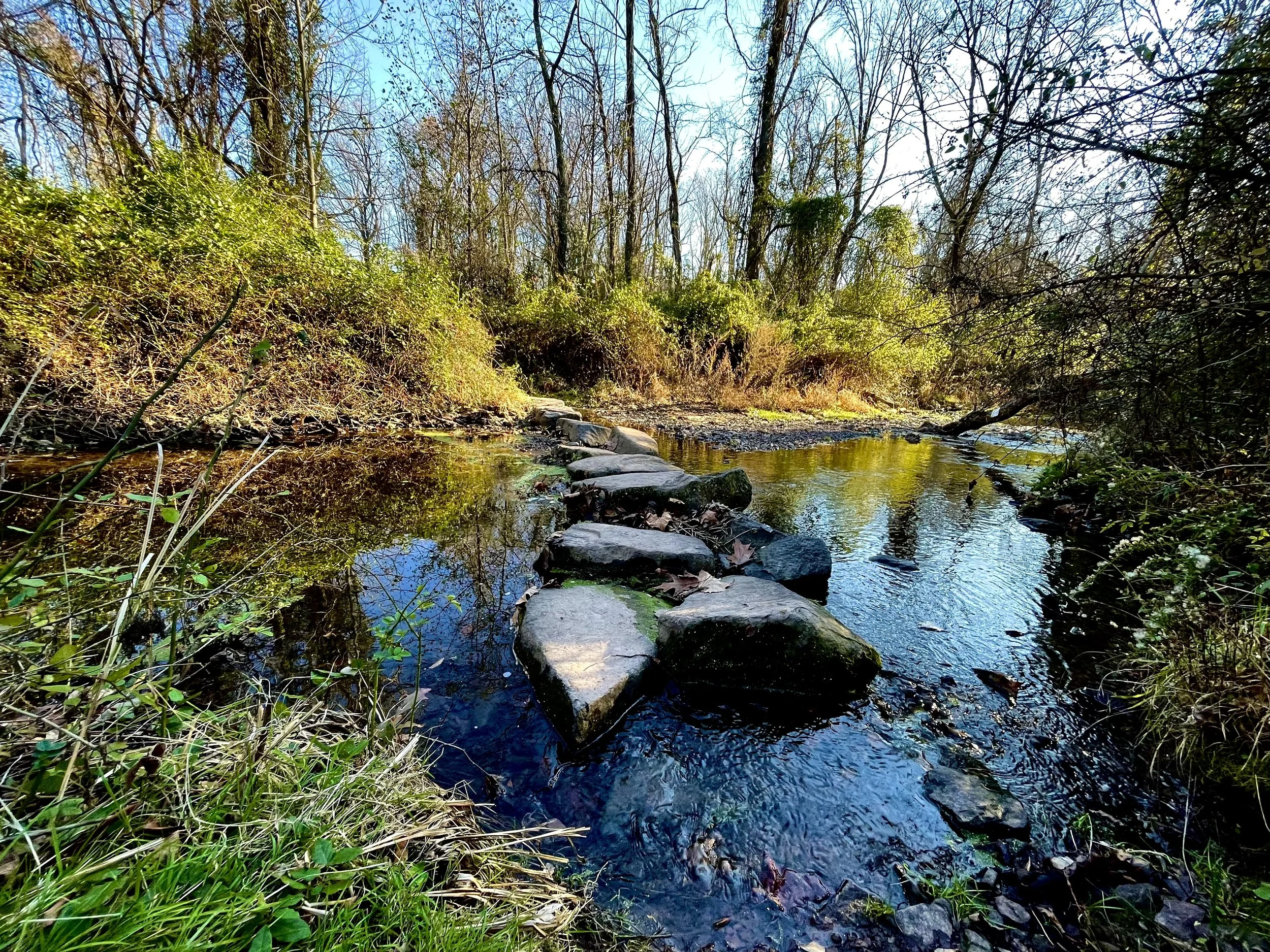
Have you seen these species in the Princeton Ridge?

Your help is needed to protect high value wetlands and wildlife habitat surrounding the Williams natural gas pipeline expansion project. Please be alert and report any sightings of these species in the Princeton Ridge to info@fopos.org. Include photos whenever possible.

Click here for a map of the Princeton Ridge Conservation Area.


Wood Turtle – Threatened

Wood turtles are found in and around rivers and streams that occur within forests or meadows. During March, they emerge from hibernation and bask along stream banks. Wood turtles mate in the water during April and move to dry land by mid-May.


Red-shouldered Hawk – Endangered

Red-shouldered hawks are year-round residents of New Jersey, found in forested wetlands. In late March and early April, males can be seen flying in circles around their nesting territories, calling repeatedly with feathers fanned out, as part of a courtship display.


Red Headed Woodpecker – Threatened
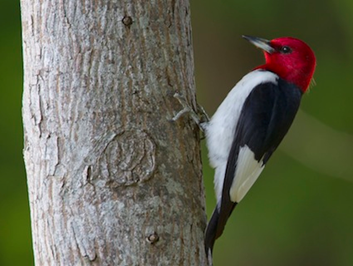
Red-headed woodpeckers are year-round residents of NJ. They are found in forested areas that contain dead or dying trees and sparse undergrowth. Red-headed woodpeckers can be seen hunting insects in flight or on the ground, in addition to the typical woodpecker method of hammering through trees.


Barred Owl – Threatened

The barred owl is a year-round resident of NJ’s mature forested wetlands. They are most vocal during their courtship from February to mid-April, with peak vocal activity occurring in March. They may call at night or during the day. The barred owl’s call is most commonly represented as “who cooks for you, who cooks for you all”.
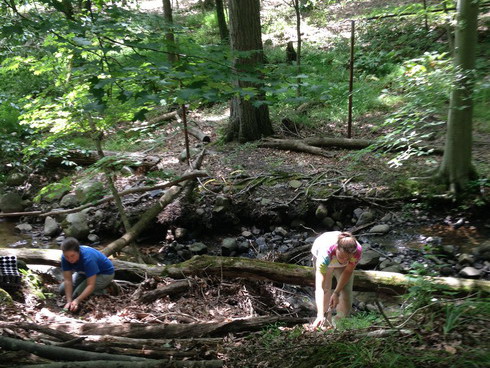
Rider University Students Celebrate MLK Day of Service with FOPOS

In honor of the Martin Luther King, Jr. Day of Service, a group of 15 volunteers from Rider University’s Athletic Department joined Friends of Princeton Open Space to help with land stewardship in John Witherspoon Woods.

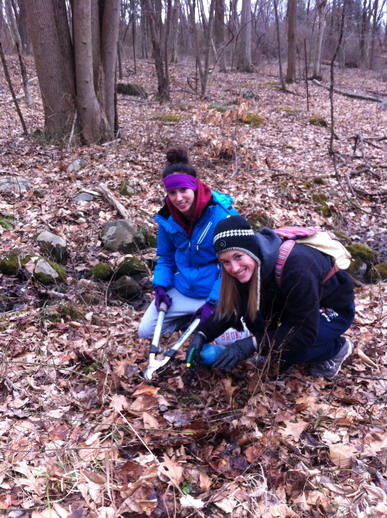
A group of 4 students, led by FOPOS Board Member, Clark Lennon, carried lumber and installed much-needed boardwalk across three sections of the area’s muddiest trails. The additional 40 plus feet of boardwalk helps ensure year-round access to this beautiful wooded wetland.

Meanwhile, the remaining volunteers helped FOPOS’ Naturalist restore the wetland’s plant communities. They eradicated hundreds of invasive vines and shrubs, including Japanese barberry, multiflora rose, and Oriental bittersweet. The volunteers’ hard work has helped improve John Witherspoon Woods for all its visitors- people and wildlife, alike!

A big THANK YOU to the Rider University students for all of their help!

If you or your group would like to volunteer outdoors with Friends of Princeton Open Space, please contact us at info@fopos.org!

Welcome Winter Walk at Mountain Lakes Preserve, January 4th

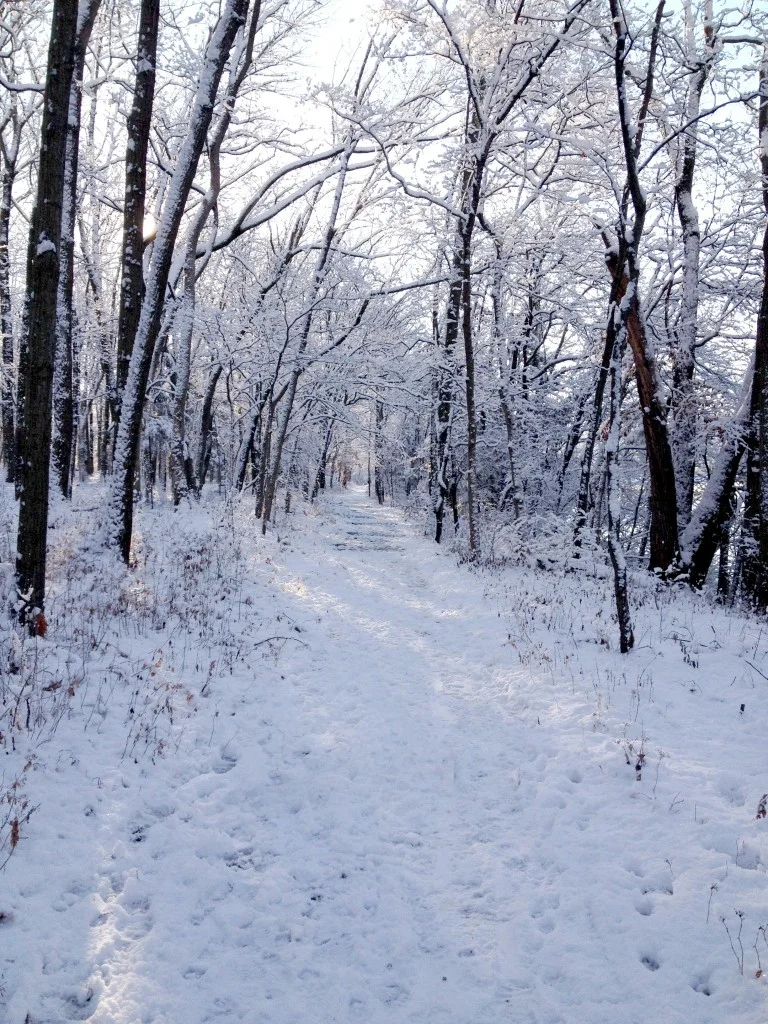
Join Stony Brook-Millstone Watershed’s Education Director, Jeff Hoagland, on a morning walk at Mountain Lakes Preserve to explore the wonders of the natural world in winter. Discover the unique survival strategies of local plants and animals, from milkweed to meadow vole and red oak to robin. Learn where animals store food and how they survive the season’s relentless chill. Enjoy the fun of the ‘Hibernation Game’. Dress warmly, boots are recommended, and bring your sense of wonder. Fee of $5 per person,payable that day. This hike is appropriate for adults and families, children 5 and older.

Registration is required – please email mpolefka@thewatershed.org.

When: Saturday, January 4, 9:30 AM – 11:30 AM

Where: Mountain Lakes Preserve, Princeton NJ

300 Native Trees and Shrubs Planted at Mountain Lakes Preserve

Three hundred newly planted native trees and shrubs will help restore a healthy forest to

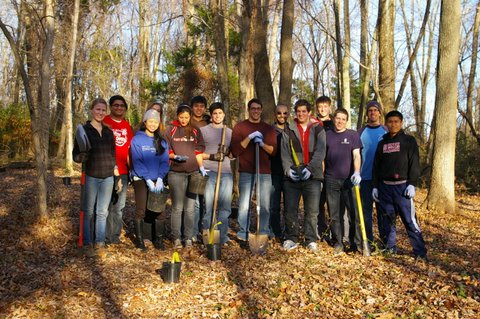
a two-acre restoration site in Mountain Lakes Preserve. The planting was done on a brisk November afternoon by 15 volunteers from ZS Associates, a global sales and marketing consulting firm with offices in Princeton, along with members of Friends of Princeton Open space (FOPOS).

planting-at-Mountain-Lakes-.jpg

The planting follows on the efforts last August to clear the site of invasive plants and the construction of a fence around the site’s perimeter to prevent deer browse (project detailed here).

All the work has been supported by grants from Partners for Fish and Wildlife, a program of the U.S. Fish and Wildlife Service, with additional funding from the Municipality of Princeton and FOPOS.

The project, spearheaded by FOPOS, has replaced multiflora rose, invasive honeysuckle, photinia, and other exotics with spice bush, winterberry, black cherry, and other native species. The invasives provide little food value for wildlife and threaten the long-term sustainability of the forest. The native plants will help create a balanced ecosystem, providing a vital habitat for a diversity of birds and animals and enabling the natural regeneration of the forest.

A big thank you to the hardworking volunteers from ZS Associates!

A big thank you to the hardworking volunteers from ZS Associates!

Volunteers interested in helping water and monitor the plants, even during the winter season, should contact our Natural Resources Manager, AeLin Compton, at aelincompton@FOPOS.org.