Native Trees & Shrubs that Benefit Wildlife

"Native trees, shrubs, and vines are the key to successful backyard habitats, offering critical food and cover to our wildlife.  Native vegetation  will thrive with the least amount of care. Non-native ornamentals require a great deal of care (watering, chemicals for insect pests, fertilizing) and tend not to thrive as readily as native vegetation.  This should be a prime consideration with successive drought years and water shortage problems.  Many non-native ornamentals have no food value to our wildlife.  Be sure to include native evergreens, key in providing cover year-round (safe refuge from predators and bad weather, safe nesting sites, and a safe place to roost through the night)." 

Read the rest of the article and view the extensive plant list, compiled by Patricia Sutton here. 

More information is available on the NJ DEP website. 

20171128_112014.jpg

Birds of Mountain Lakes

The Mountain Lakes Preserve is home to a diversity of birds, some common, some rare.  eBird is a website and an app in which people (both professional birders and non-professional) can report their exact sightings of bird species.  In the past few months, birders have reported sightings of many interesting species.  Below is a list of some species that call Mountain Lakes home, and where to look to find them.  This is only a fraction of the diversity that exists within the preserve. 

Palmer Lake is home to a Great Blue Heron that is frequently seen on the dams or lake shores. 

Palmer Lake is home to a Great Blue Heron that is frequently seen on the dams or lake shores. 

Great Horned Owls are elusive, but can be heard at dusk and dawn in the pine forest. 

Great Horned Owls are elusive, but can be heard at dusk and dawn in the pine forest. 

Pileated Woodpeckers often sound like a hammer hitting a tree when searching for food.  They can be found in Witherspoon Woods in large, dead trees. 

Pileated Woodpeckers often sound like a hammer hitting a tree when searching for food.  They can be found in Witherspoon Woods in large, dead trees. 

Cedar Waxwings are fairly common if you know where to look.  They can be found along wood edges near a water source.  

Cedar Waxwings are fairly common if you know where to look.  They can be found along wood edges near a water source.  

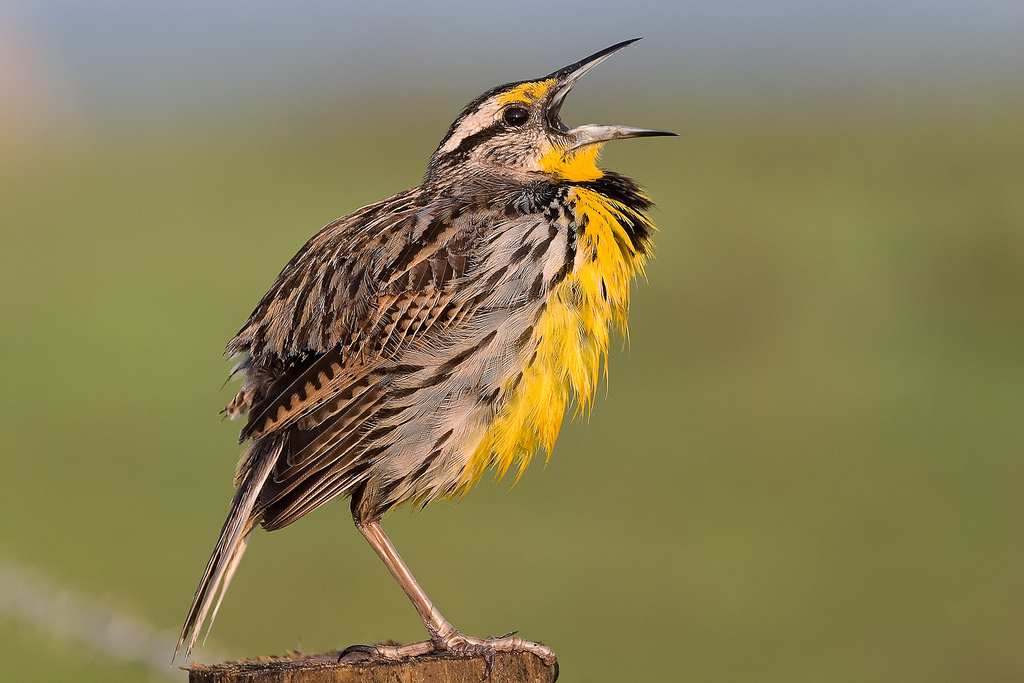
Eastern Meadowlarks can be found nesting on the ground of large meadows, such as Tusculum. 

Eastern Meadowlarks can be found nesting on the ground of large meadows, such as Tusculum. 

Although there is no Bald Eagle nest at Mountain Lakes, there have been several sightings of eagles flying over. 

Although there is no Bald Eagle nest at Mountain Lakes, there have been several sightings of eagles flying over. 

3rd Annual Photo Contest Results

After 3 weeks of photography and submissions, the results are in! We had 41 photos submitted and much deliberation was required.  Thank you to everyone who participated.  Below are the three winning photos. 


Third Place, Lake Foliage by Niels Kistrup

Third Place, Lake Foliage by Niels Kistrup

Second Place, Spring Overflow by Jennifer Driscoll

Second Place, Spring Overflow by Jennifer Driscoll

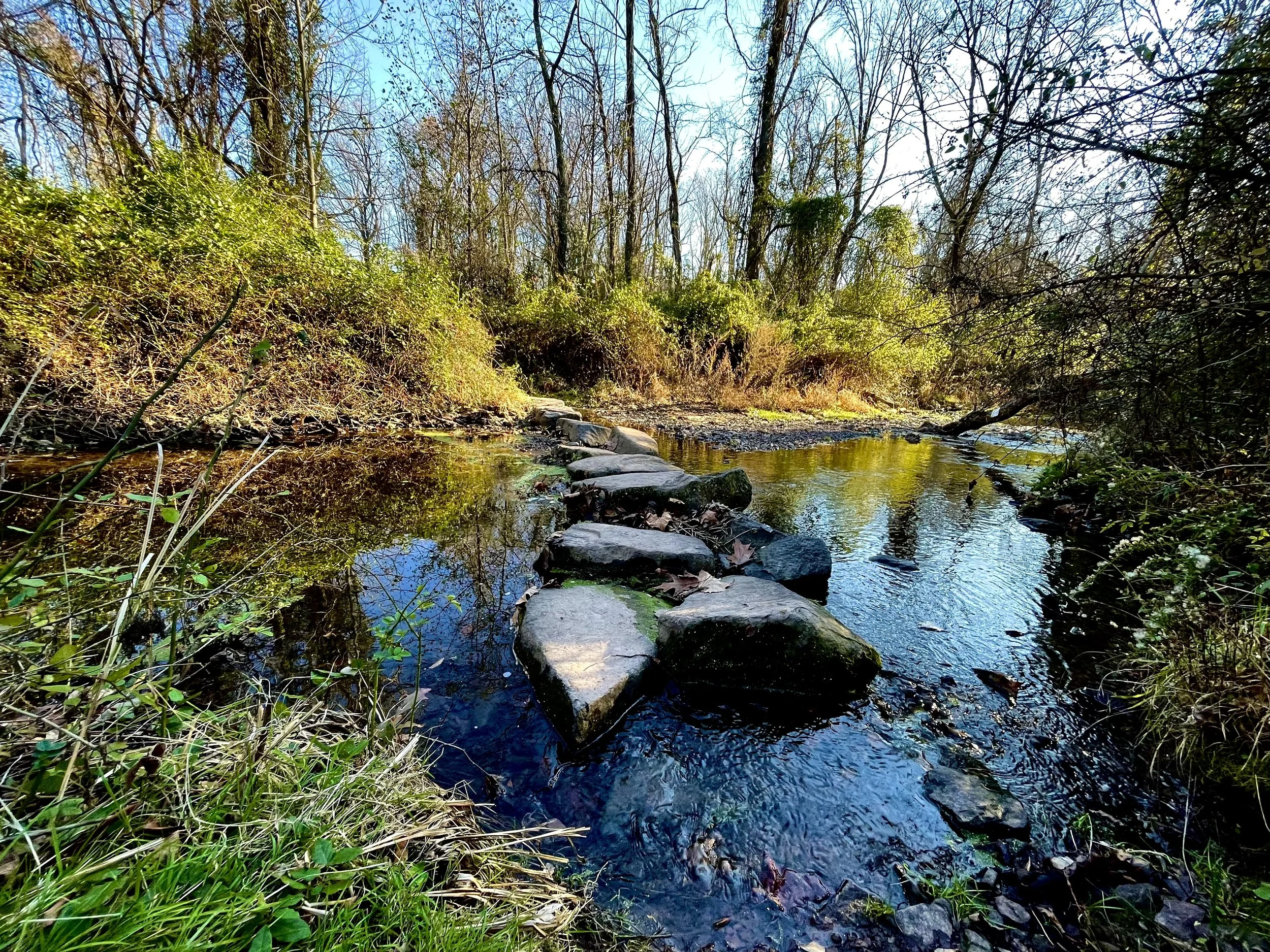
First Place, Bridge Vista by Monika Reimitz

First Place, Bridge Vista by Monika Reimitz

Holiday Open Houses at Mountain Lakes House

Sunday, December 10 and Sunday, December 17
1PM to 4PM
Mountain Lakes House
57 Mountain Avenue
Princeton

As you enjoy the miles of wooded trails in the Billy Johnson Mountain Lakes Nature Preserve, Friends of Princeton Open Space invites you to stop by Mountain Lakes House to warm up with cider and treats! Stop in anytime between 1PM and 4PM on Sunday, December 10 and Sunday, December 17


Winter at ML House.jpg

Welcome Winter Walk in Princeton, Saturday January 6

Welcome Winter Walk in Princeton                                                                                                   Saturday, January 6th

9:30 AM – 11:30 AM, Adults and Families with children ages 5 and up. Fee per person: $5.00

download.jpg

Join this annual tradition with Education Director Jeff Hoagland of the Watershed Center, on a morning walk at the Mountain Lakes Preserve in Princeton to explore the wonders of the natural world in winter. Discover the unique survival strategies of local plants and animals, learn where animals store food and how they survive the season’s relentless chill. Dress warmly, boots are recommended.  Presented in partnership with The Stony Brook-Millstone Watershed Association.